



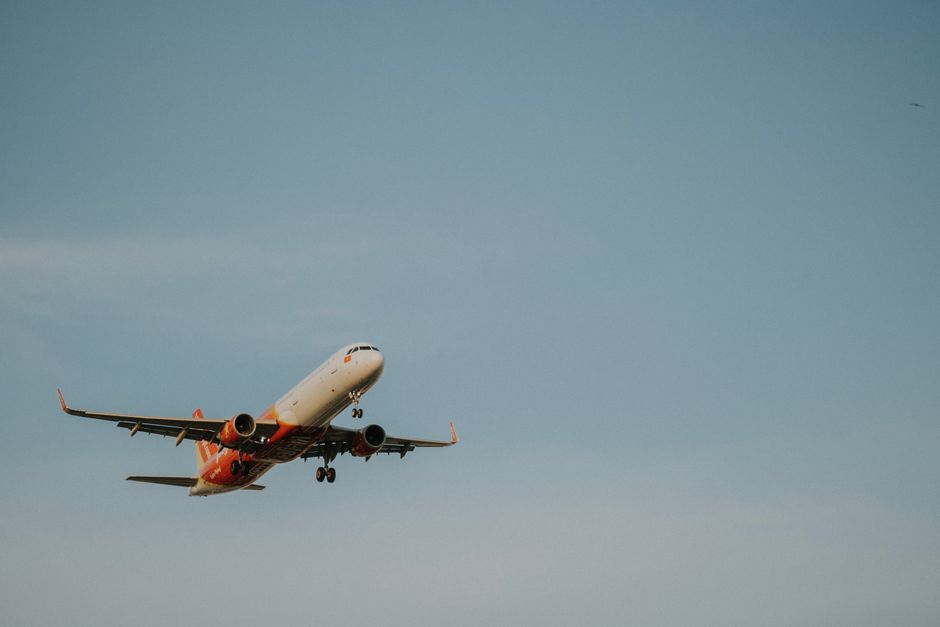

Spirit Airlines is already out of business. On May 2, 2026, the carrier canceled every flight, shut down customer service, and began a court-supervised liquidation — ending 34 years of operations overnight.
This is not speculation or a “what if” scenario. It is done. If you have a Spirit ticket, your flight does not exist anymore.
This article covers exactly what happened, why the business failed, what it means for passengers and workers, and what Spirit’s collapse tells us about the ultra-low-cost airline model.
Spirit Airlines Has Ceased Operations — The Short Answer
Spirit halted all flights at approximately 3 a.m. ET on May 2, 2026. The company filed in bankruptcy court that it “had no choice but to cease operations and liquidate.” That language is clear — this is not a temporary pause or a reorganization.
Customers were advised not to go to the airport. All tickets were canceled. The airline that once operated over 200 aircraft across the U.S. and Caribbean simply stopped flying.
Reuters, CNBC, CNN, and NPR all confirmed the same thing: Spirit Airlines is going out of business, and the wind-down is already underway.
How Spirit Got Here — Two Bankruptcies in Less Than a Year
Spirit’s collapse did not happen in a single bad week. It was a slow deterioration that accelerated fast at the end.
Spirit filed for Chapter 11 bankruptcy the first time with 214 aircraft in its fleet. The plan was to restructure, cut costs dramatically, and come out smaller but stable. In February 2026, the company announced a restructuring deal that eliminated more than $5 billion in liabilities and slashed fleet costs by roughly 65%.
That plan would have shrunk Spirit to around 76–80 aircraft — about one-third of its pre-bankruptcy size. Management projected the airline could stop burning cash by late 2026 and reach profitability in 2027.
It never got there. A second bankruptcy filing followed, restructuring collapsed, and the company moved straight into liquidation. Two Chapter 11 cases in less than a year, and neither worked.
What Pushed Spirit Past the Point of No Return
Several things went wrong at once, and the timing was brutal.
The Cash Was Already Gone
Spirit was hemorrhaging money through early 2026. In February alone, the airline posted a $28.2 million operating loss and a $133.2 million net loss. That is not a company with breathing room — that is a company running out of time with every passing month.
To put it plainly: Spirit was bringing in around $222.6 million in revenue that month while spending $250.8 million just to operate, plus another $93.7 million in reorganization-related costs. The math did not work.
A Fuel Spike Killed the Restructuring Plan
The restructuring plan depended on fuel costs staying manageable. Then came a spike in jet fuel prices following U.S. military strikes on Iran. J.P. Morgan estimated that if fuel stayed elevated, Spirit’s 2026 operating margin could drop to around -20%. That wiped out whatever slim chance the restructuring plan had left.
Think of it like a delivery company that locks in low prices for customers but has no hedge when fuel costs double. The margin that makes the model work simply disappears. Spirit’s legal counsel told the court directly that the fuel surge left the airline with no alternative but to cease operations.
The Government Bailout Fell Apart
The Trump administration proposed a $500 million government loan that could have given the U.S. government up to a 90% equity stake in Spirit. It was a significant intervention — and it still was not enough to save the airline.
Negotiations between the government, bondholders, and Spirit broke down. No deal was reached. With no cash lifeline and no restructuring path, liquidation became the only option left on the table.
The ULCC Business Model and Why It Broke Down
Spirit built its entire business on one idea: sell the cheapest base fare possible, then charge for everything else separately. Carry-on bags, seat selection, printing a boarding pass — all fees. The base ticket was just the entry point.
This model worked for a while. Price-sensitive leisure travelers accepted the bare-bones experience because the total cost was still often lower than competitors. Spirit’s Q2 2025 results showed a net loss of roughly $245.8 million on $1.02 billion in revenue — a negative margin of about 25% — which was already signaling that the model was under serious stress.
The Model Had Structural Weaknesses
The ultra-low-cost model depends on two things being true at the same time: high aircraft utilization and low fuel costs. When either one breaks, the margins disappear fast. Spirit had both working against it.
Competitors also got better at offering low fares. When legacy carriers and other budget airlines started competing more aggressively on price, Spirit lost the one thing it was known for — being the cheapest option. Passengers who were already frustrated by fees had less reason to stick around.
Weak leisure demand and excess capacity in the domestic U.S. market made things worse. Spirit was not just fighting high costs — it was fighting for a shrinking pool of customers who wanted what it was selling.
What This Means for Passengers and Employees
If you have a Spirit ticket, you are not flying on that ticket. Spirit said ticket holders would receive refunds, but you will need to rebook on another airline — likely at a higher price than what Spirit charged.
Several major carriers stepped in quickly. United, American, JetBlue, and Frontier all offered fare caps and support options for passengers on affected Spirit routes. If you are holding a canceled Spirit ticket, check those airlines first for comparable routes.
The human cost is significant. The shutdown affects roughly 17,000 people — about 14,000 Spirit employees and contractors who are now out of work. Spirit did request court approval to pay $10.7 million in retention bonuses to staff helping manage the wind-down, but for most workers, the jobs are gone.
Spirit’s collapse has been called the largest U.S. airline failure in a generation — and the first major financially driven airline shutdown in 25 years. That context matters. This is not a small regional carrier folding. It is a company that carried millions of passengers per year, and its absence will be felt on certain routes for some time.
Is There Any Chance Spirit Comes Back?
Based on current reporting, no. There is no confirmed buyer planning to keep the Spirit brand flying. The process underway is a dismantling — assets sold off, leases terminated, operations wound down.
Competitors may absorb some of Spirit’s routes and aircraft, but Spirit Airlines as a carrier is effectively gone. The liquidation is court-supervised and progressing. Anyone waiting for a comeback announcement should not count on it.
What Businesses Can Learn From Spirit’s Collapse
Spirit’s failure is not just an airline story. It is a clear example of what happens when a business model depends on conditions staying favorable forever.
The ultra-low-cost model required cheap fuel, high aircraft utilization, and customers willing to accept a stripped-down experience. Remove any one of those, and the economics get very difficult. Remove all three at once — during a bankruptcy restructuring — and there is nowhere to go.
Heavy debt loads amplify every shock. Spirit entered its restructuring already carrying massive liabilities. When the fuel spike hit, there was no buffer. A business with stronger cash reserves or more flexible cost structures might have survived the same external shock.
Restructuring also is not a guaranteed fix. Spirit had a plan, announced a deal, and still failed. The plan only works if the external environment cooperates. When geopolitical events, fuel markets, and bondholder negotiations all go wrong at the same time, even a well-designed restructuring can unravel.
For anyone tracking business turnarounds or evaluating companies in distress, Spirit is a useful case study. You can find more business analysis and practical coverage at StartBusinessView.
The Bottom Line
Spirit Airlines went out of business on May 2, 2026. It was not one bad decision or one bad quarter. It was years of financial pressure, a failed restructuring, a fuel price shock, and a government bailout that never came together.
The airline pioneered cheap flying in the U.S. for over three decades. But the model that built the business ultimately could not survive the conditions that broke it. The planes are grounded, the tickets are canceled, and the company is winding down.
If you had a Spirit flight booked, get your refund and move on to another carrier. If you are watching this as a business story, the lesson is straightforward: a low-margin model with high fixed costs and no financial cushion leaves almost no room for error when things go wrong.